We love traveling with our travel trailer, and there’s nothing quite like parking in a national park, stepping outside, and being surrounded by some of the most stunning landscapes in the country. If you’re looking for the best national parks for RV camping, we’ve done the research for you! These three parks not only offer breathtaking scenery but also provide excellent RV-friendly campgrounds, making them perfect for your next adventure.
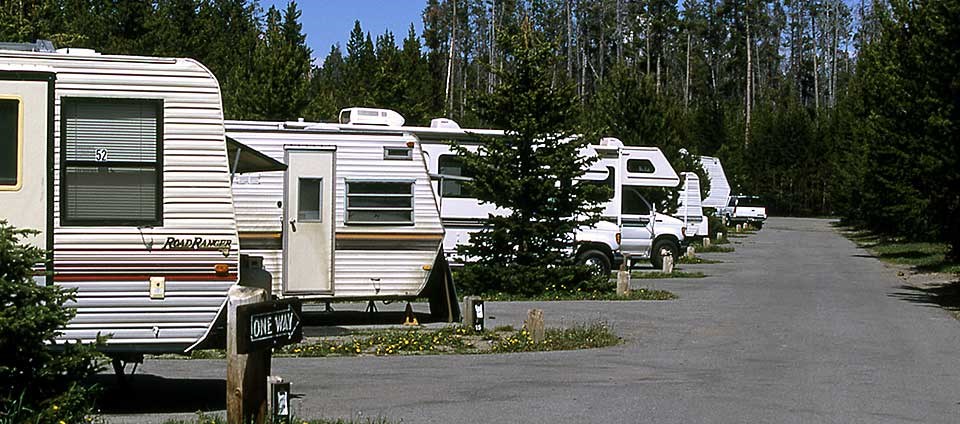
1. Yellowstone National Park – Wyoming, Montana, and Idaho
Yellowstone is an RV camper’s dream, offering diverse landscapes, abundant wildlife, and plenty of space for outdoor adventures. From bubbling geysers to vast canyons, Yellowstone’s beauty is unmatched.
Why It’s Great for RV Camping:
- Multiple Campgrounds: Yellowstone offers several RV-friendly campgrounds, including Fishing Bridge RV Park, which provides full hookups—a rare find in national parks.
- Many RV-friendly national parks offer electrical hookups, but power surges can happen. A reliable surge protector is essential to protect your RV’s electrical system from unexpected fluctuations.
- Water pressure can vary at different campgrounds, and too much pressure can damage your RV’s plumbing. Using a water pressure regulator ensures a safe and steady flow.
- Wildlife Watching: You can spot bison, elk, bears, and even wolves right from your campsite or while driving through the park.
- Incredible Scenery: With iconic spots like Old Faithful, the Grand Prismatic Spring, and Yellowstone Lake, there’s never a dull moment.
RV Camping Tips:
- Book Early: Fishing Bridge RV Park is extremely popular, so make reservations months in advance.
- Pack for All Weather: Yellowstone’s elevation means temperatures can fluctuate drastically, even in summer.
- Follow Bear Safety Rules: Always store food properly to prevent wildlife encounters.
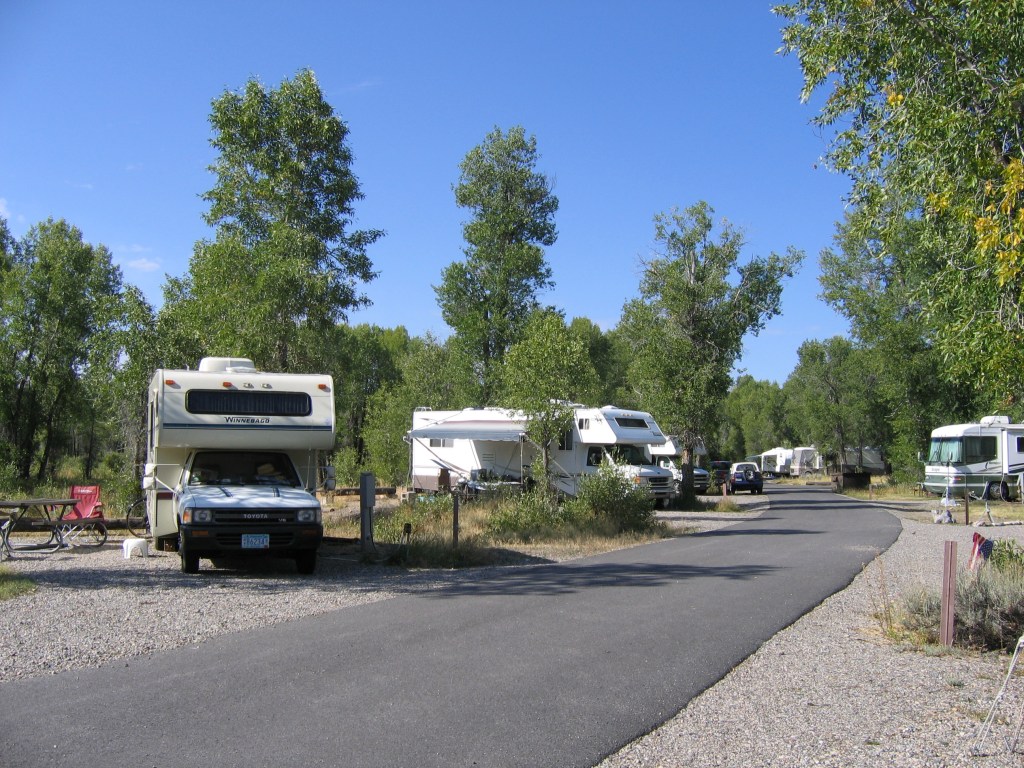
2. Grand Teton National Park – Wyoming
Just south of Yellowstone, Grand Teton National Park offers majestic mountain views, crystal-clear lakes, and plenty of outdoor activities. If you love hiking, kayaking, or simply relaxing with a stunning mountain backdrop, this is the park for you.
Why It’s Great for RV Camping:
- RV-Friendly Campgrounds: Colter Bay RV Park and Headwaters Campground offer full hookups, while Signal Mountain Campground provides scenic, primitive sites.
- To ensure a comfortable and stable setup, especially on uneven terrain, leveling blocks are a must-have for any RV traveler.
- Epic Scenery: Wake up to views of the jagged Teton Range, one of the most breathtaking sights in the U.S.
- Endless Activities: Enjoy hiking, boating on Jackson Lake, or spotting moose along the Snake River.
RV Camping Tips:
- Arrive Early for First-Come, First-Served Spots: Some campgrounds do not take reservations, so plan to arrive early to secure a site.
- Not all national park campgrounds allow open campfires, so having a portable grill lets you enjoy hot meals no matter the fire restrictions.
- Bring Binoculars: Wildlife sightings are common, including bald eagles, elk, and bears.
- Prepare for Cooler Nights: Even in summer, the mountain air can be chilly at night.
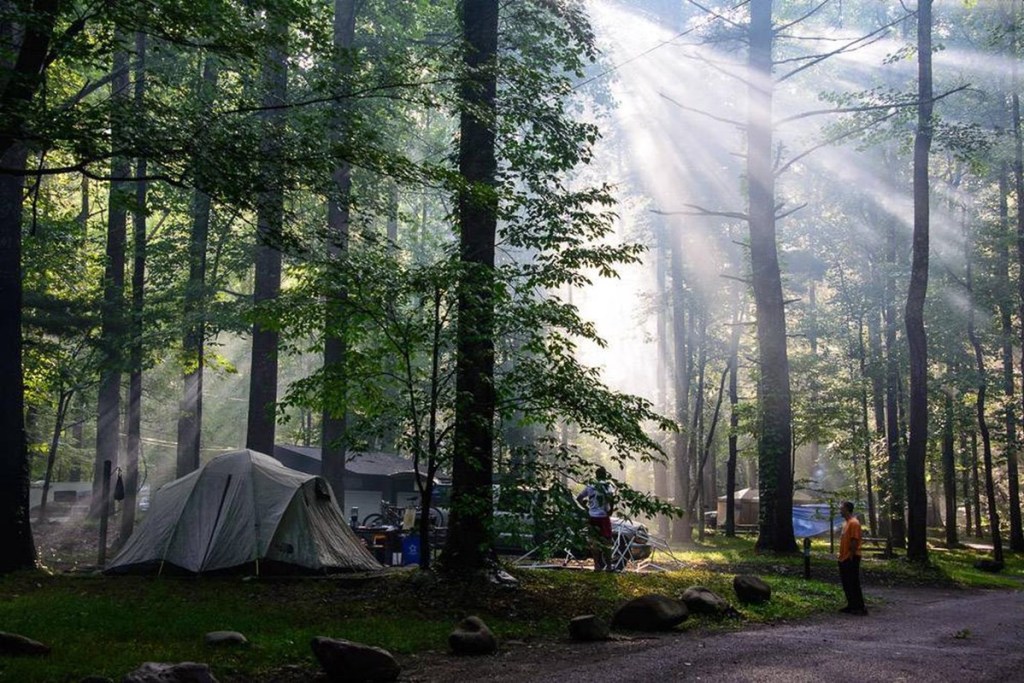
3. Great Smoky Mountains National Park – Tennessee & North Carolina
The Great Smoky Mountains are a must-visit for RV travelers who love lush forests, misty mountain views, and abundant wildlife. As one of the most biodiverse parks in the country, it offers endless opportunities for exploration.
Why It’s Great for RV Camping:
- Several RV Campgrounds: Cades Cove Campground and Elkmont Campground offer beautiful settings and easy access to trails.
- Stunning Fall Foliage: If you visit in autumn, expect vibrant reds, oranges, and yellows painting the landscape.
- Rich History & Wildlife: Explore historic cabins, see black bears, and hike to waterfalls like Laurel Falls.
RV Camping Tips:
- No Full Hookups in the Park: Bring a generator or stay at nearby private campgrounds for full hookups.
- National parks with full hookups or dump stations require a sturdy sewer hose kit to properly empty your tanks with minimal hassle
- Drive Cades Cove Early or Late: The loop road gets crowded—early morning and late evening are the best times for a peaceful drive and wildlife viewing.
- Be Ready for Humidity: The Smokies can be humid, so keep your RV well-ventilated.
Final Thoughts
These three national parks offer some of the best RV camping experiences in the country. Whether you’re chasing geysers in Yellowstone, admiring the Tetons, or exploring the misty forests of the Smokies, you’re in for an unforgettable adventure.
Ready to Plan Your Next Trip?
Tell us in the comments which national park is your favorite for RV camping! And don’t forget to check out our Essential RV Gear Guide to make sure you’re fully prepared for the road ahead.
Happy camping!

 Our Wandering Pack
Leave a comment