At Our Wandering Pack, we believe that responsible camping means leaving the wilderness just as beautiful as we found it. The Leave No Trace (LNT) principles help outdoor lovers minimize their impact while still enjoying nature. Whether you’re hiking, backpacking, or setting up camp, following these guidelines ensures that our wild spaces stay pristine for future adventurers.
We use biodegradable soap for EVERYTHING from washing the dogs off to washing pots/pans and ourselves. We use this stuff for it all!
1. Plan Ahead & Prepare
- Research campsite regulations, permits, and fire restrictions.
- Pack reusable gear to reduce waste (water bottles, utensils, food containers).
- Bring biodegradable soap and waste bags to manage trash properly.
- Check the weather and terrain to prevent unnecessary damage to trails.

2. Travel & Camp on Durable Surfaces
- Stick to designated campsites and trails to avoid trampling delicate ecosystems.
- Camp at least 200 feet away from lakes and streams.
- If camping in the backcountry, choose hard-packed ground over fragile vegetation.
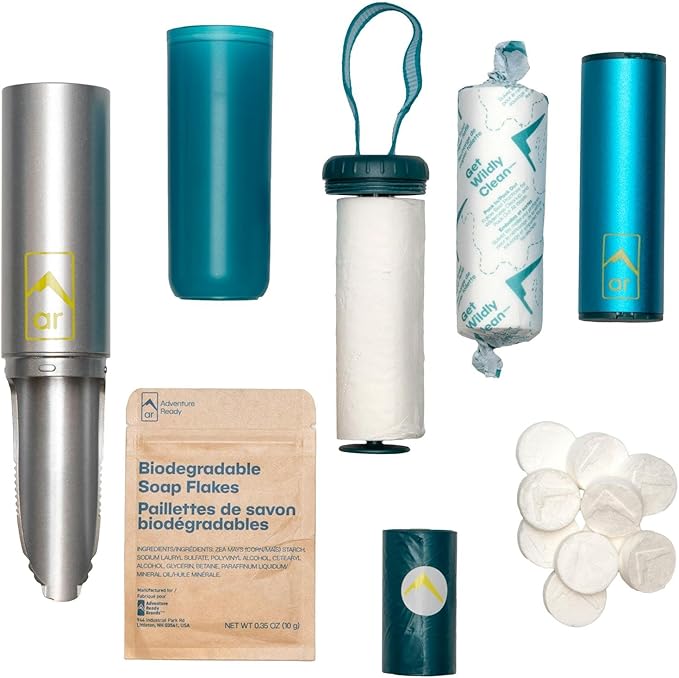
We started using this kit when we first started backpacking to manage our waste and be able to Leave No Trace!
This kit comes with a backpacking trowel, toilet paper, pack out baggies, and our Clean Capsule for easy hand washing.
3. Dispose of Waste Properly
- Pack it in, pack it out: Carry all trash, food scraps, and hygiene products.
- Use designated waste disposal areas or seal garbage in airtight bags.
- For human waste, dig a 6-8 inch cat hole at least 200 feet away from water sources and trails.

We use our Nature Reflection Journal to help us remember the little details we want to keep with us forever. Check out our Kids Gratitude Journal on Amazon.
4. Leave What You Find
- Take only pictures, leave only footprints!
- Avoid disturbing rocks, plants, and cultural artifacts.
- Keep campsites as you found them, or even cleaner!
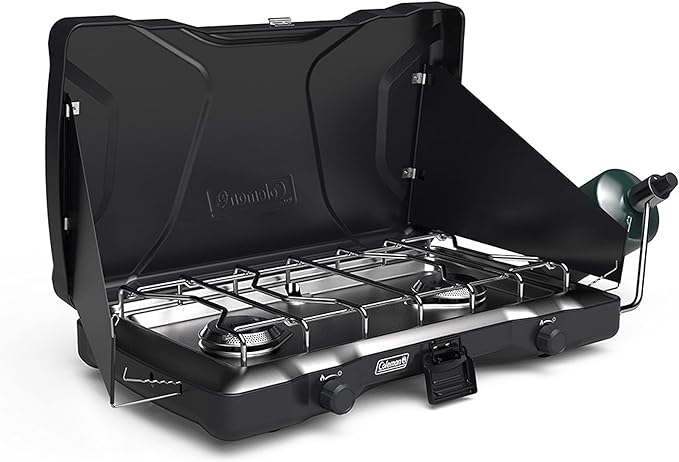
We got this camping stove as a Christmas gift and now its become a camping staple. We don’t go camping without it!
5. Minimize Campfire Impact
- Use a camp stove instead of making a fire whenever possible.
- If fires are allowed, use an existing fire ring and keep the fire small.
- Fully extinguish the fire before leaving or sleeping.
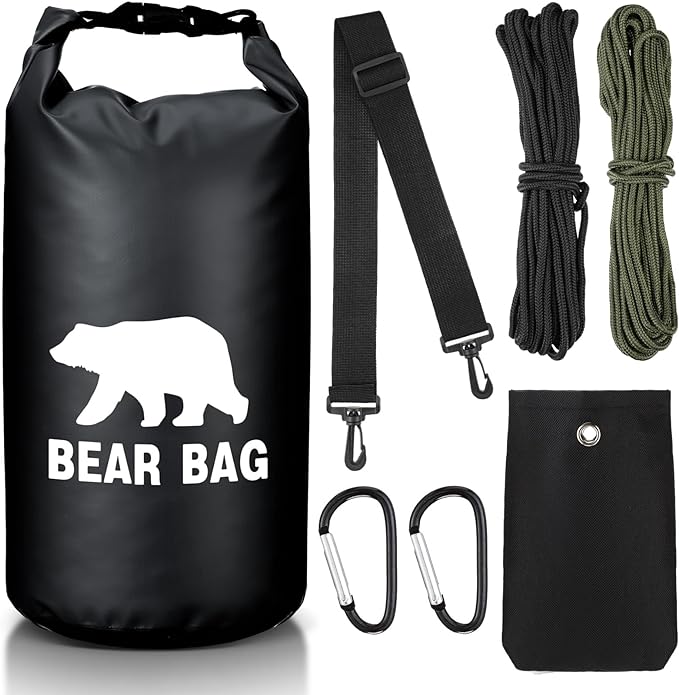
The best bear-proof container we have used is this one!
6. Respect Wildlife
- Observe animals from a distance—never feed or approach them.
- Store food securely in bear-proof containers.
- Keep pets leashed and under control.
OWP Pro Tip : We always look for a site that is a little further away from the bathroom so we have a little more space!
7. Be Considerate of Others
- Keep noise levels low—respect the peace of nature.
- Yield to hikers on narrow trails and follow posted trail etiquette.
- Camp away from heavily trafficked areas when possible.
Final Thoughts
At Our Wandering Pack, we believe in leaving nature better than we found it. By following these principles, we can all do our part to protect the wild spaces we love. Thank you for clicking affiliate links within this post. Are you ready to camp responsibly?
Share your favorite Leave No Trace tips in the comments!
Recommended Gear for Responsible Camping
- Biodegradable Soap – Safe for nature and easy to use.
- Bear-Proof Food Storage – Essential for keeping wildlife safe.
- Reusable Camping Utensil Set – Reduce single-use plastic waste.
- Portable Trowel & Waste Bags – Properly dispose of waste in the backcountry.
- Eco-Friendly Fire Starter Kit – Low-impact way to start campfires safely.
-Jess&Maddy


 Our Wandering Pack
Leave a reply to Etiquette When Visiting National Parks: How to Respect Nature and Fellow Visitors – Our Wandering Pack Cancel reply